Dropping My Camera and Off My Perch, Etc

My time flies when one becomes the latest keyboard warrior. More letters have flown off, winging on a slow breeze rather than darting quickly to strike their target. At the pace I’m keeping, the road will be built and trees chopped down before I strike my final cursive blow. Weeding also bounds along at a more rapid pace given the procrastination factor. Work on the home garden continues when the park care weeding does not provide sufficient distraction from the sardonic writing.

At one of my group weeding sessions, I had to flee due to a medical tech malfunction and in our haste to leave, my camera fell out of my tool bucket and smashed. My True Love made it up to me by buying me a new camera. Given I haven’t been quite in my right mind, I decided on a camera that I thought my True Love would like – you know, in the event that I drop off my perch, it wouldn’t be a waste of money.

Anyway, anyway, I’ve taken up backyard photography again while I work out how to operate this new camera. Also, my True Love tells me I am not allowed to put the new one in the tool bucket.

I’m using weedy native colonisers to enrich the soil in the backyard and as protection for some of the more difficult to establish local natives. I’ve discovered that it is far easier to establish new plants in soil that already has a good ground cover rather than in bare dirt. I suppose all you gardeners already knew that.
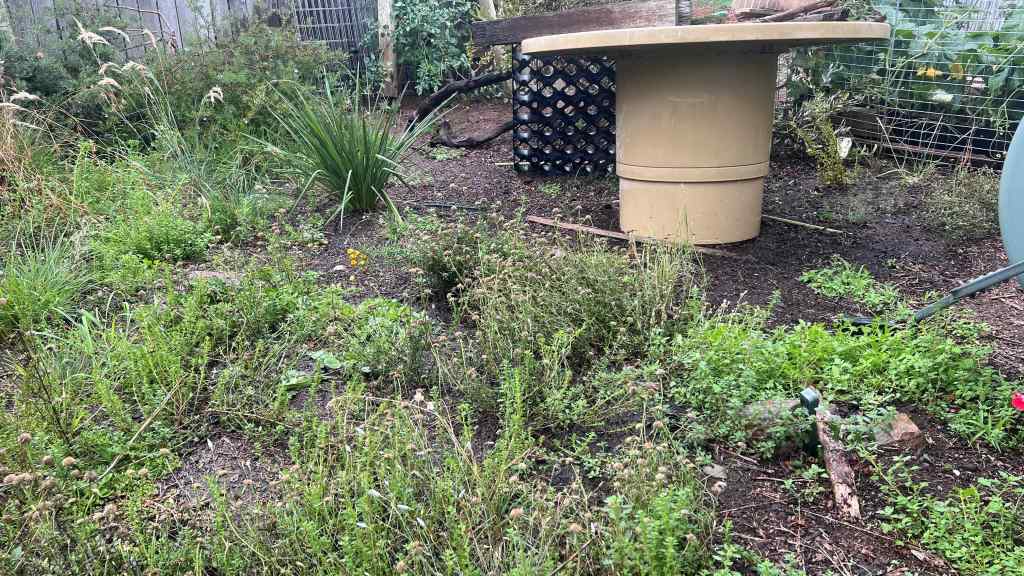
Phone photo.


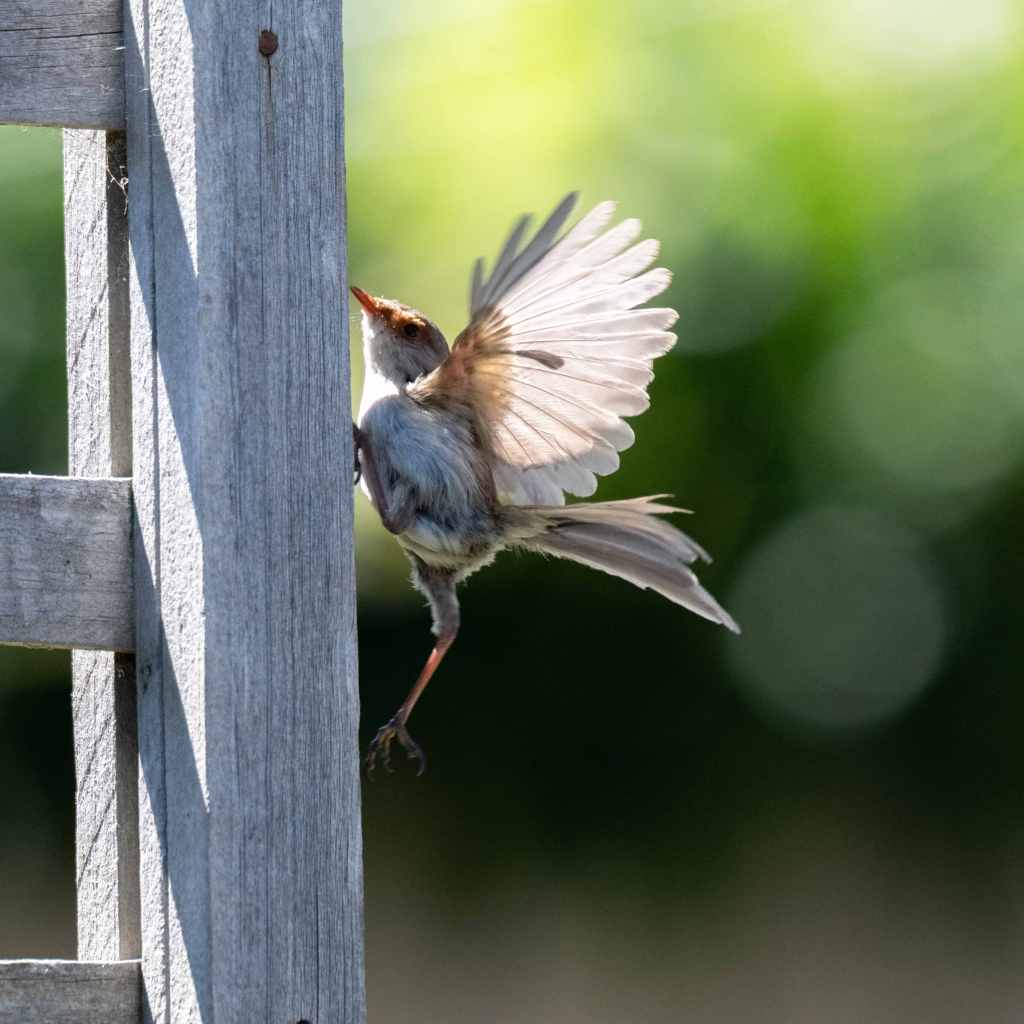
The wrens like all the weedy colonisers, eg native cudweed and crumbweed.
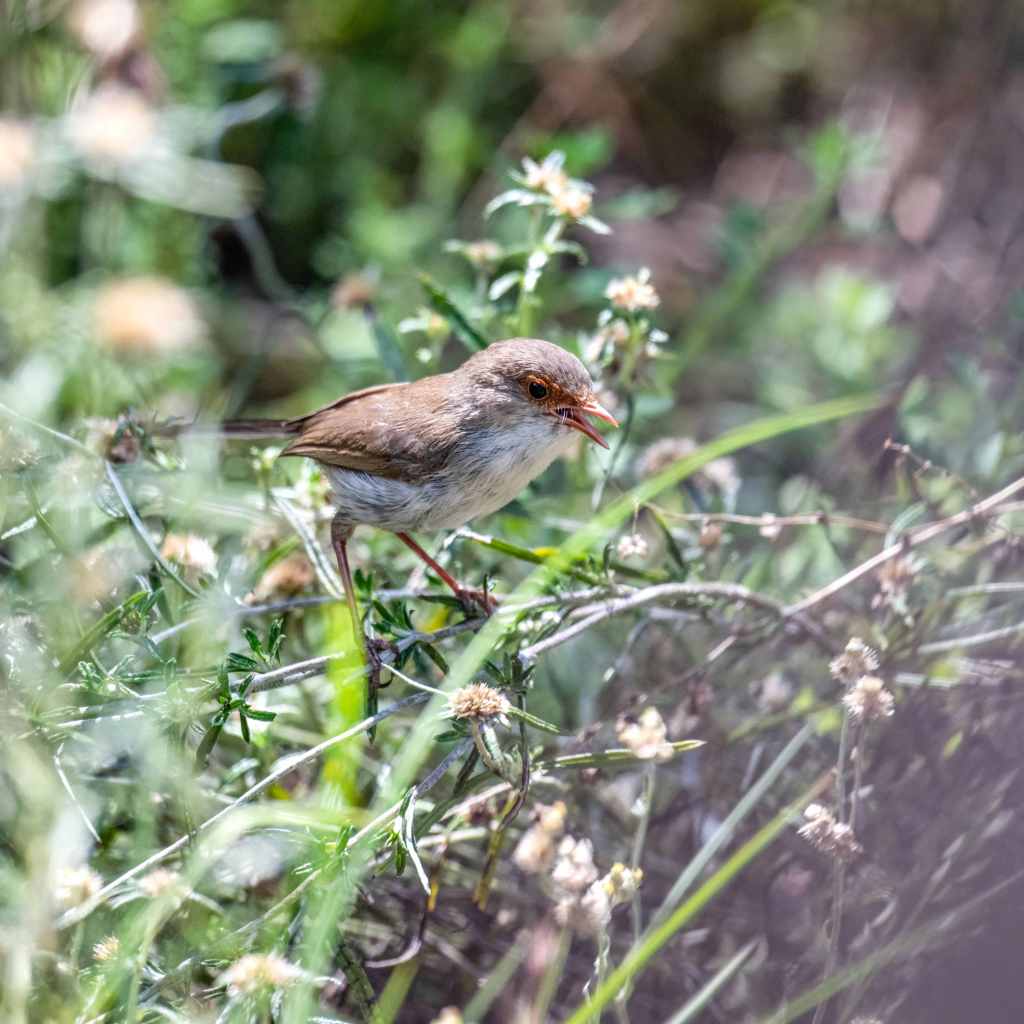
New camera. It can take photos through lots of grass. Not brilliant but you get the idea of what these little birds like.


Anyway, anyway, anyway, gotta fly.

She’s off.


Take care, everyone, and see you again when next procrastination strikes.

Kind Regards.
Tracy.

A Night Out

Part 2 of my contribution to the Lens-Artists Photo Challenge, Own Choice and One Image/One Story theme. In this case, it is one photo, three different ways. Check it out.

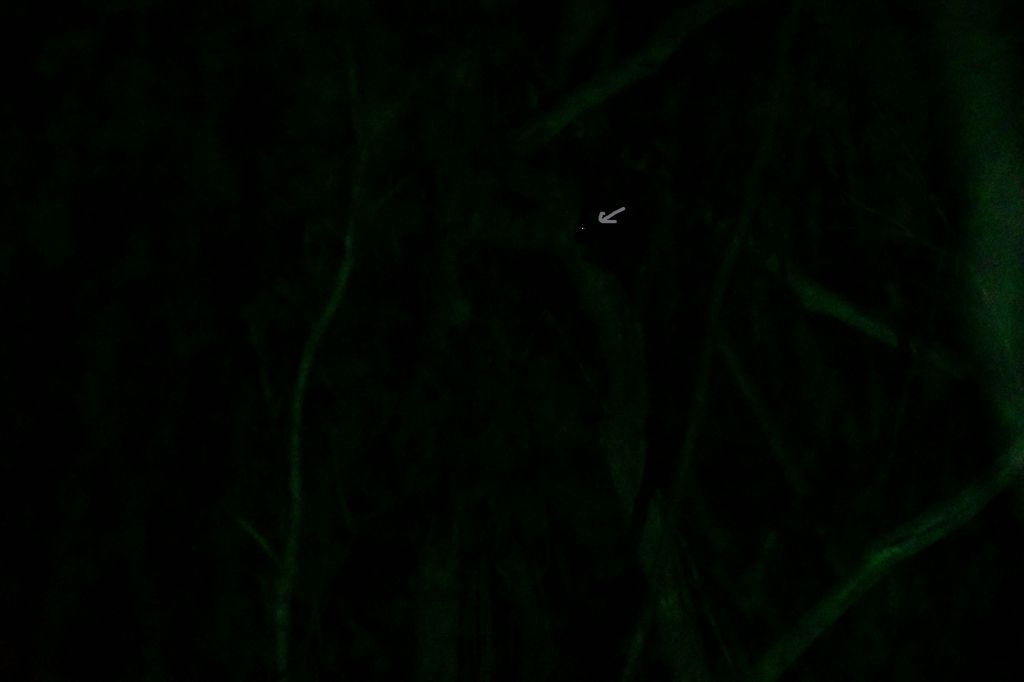
My True Love and my eldest son recently went on a spotlighting expedition. I stayed home because my night vision is poor and the terrain they were covering is very steep. They went into Greater Glider territory. Greater Gliders are nocturnal. They live in the trees, nesting in tree hollows, and can glide up to 100 metres at a time. I expect the Greater Glider will soon be listed as endangered given the impact of the deadly 2019/2020 Australian bushfires and ongoing land clearing across their range. It was a successful night. The lads came home with a photo of eye shine.

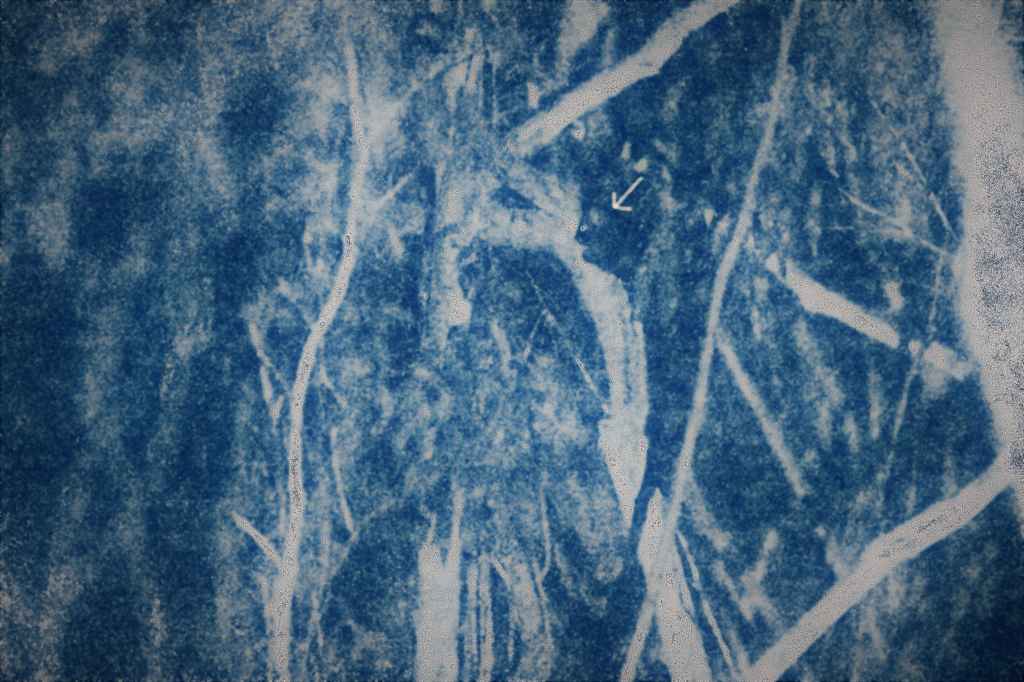
I’ve been learning some nifty PS edits. I added the arrow to the photo! Night photography is not our forté. But hey, this is not a David Attenborough documentary, so we make do. Next, I lightened the image. Ta da!

Let’s get closer.

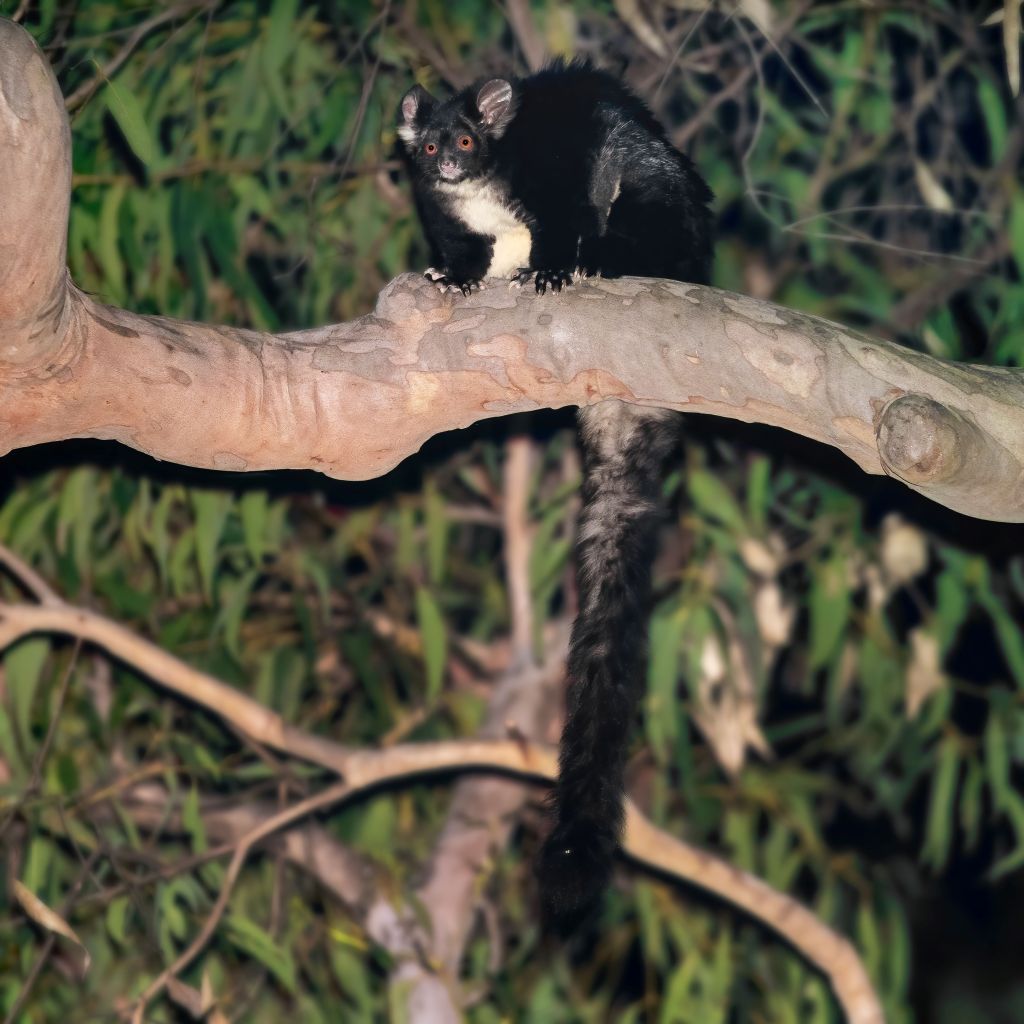
Here’s what they really look like.

Attribution: JJ Harrison, Oct 2021, https://commons.wikimedia.org/wiki/File:Greater_Glider_9994.jpg

I hope you enjoyed this night out.

Kind Regards.
Tracy.

Further information:
https://theconversation.com/australia-has-failed-greater-gliders-since-they-were-listed-as-vulnerable-weve-destroyed-more-of-their-habitat-164872

Boom, Boom, Boom

Canberra (Australia) – Story by Tracy, your intrepid (not) wildlife photographer. Until recently, I must confess to a lack of intellectual curiosity about why male kangaroos are colloquially called “boomers”. I spent half an hour googling this today but still am none the wiser. My curiosity was ignited on last weekend’s walk at our local nature reserve. I wonder whether it is related to the loud grunting noise male kangaroos make when they are courting? Spoiler alert – this roo story involves courting.

Read more

Top Predator Of The Lake

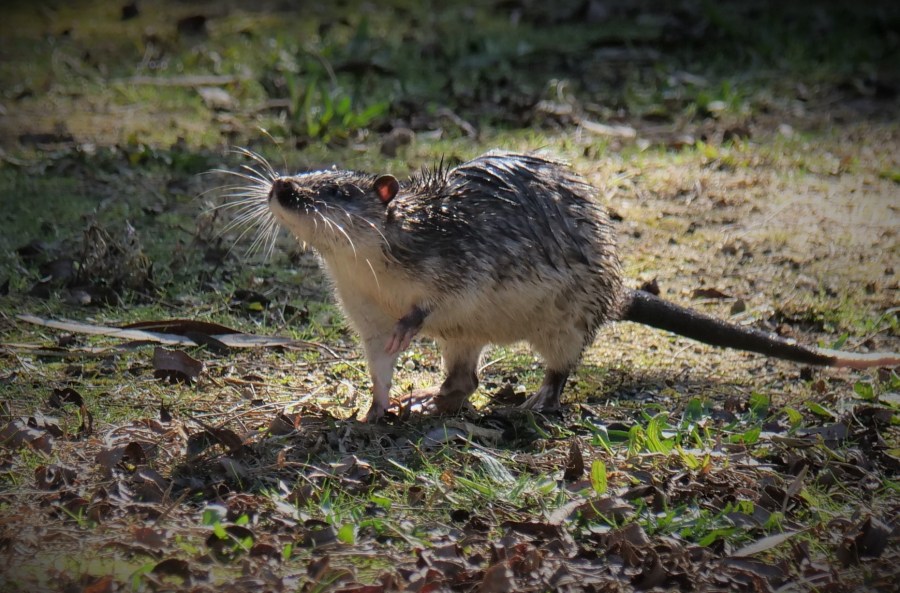
Rakali (Hydromys chrysogaster) — not your average rodent.

Super soft and waterproof.
Golden belly water rat twitches
his whiskers and preens.
Rakali, top predator of the lake. Read more

Sun Worshipper

As today’s Ragtag Daily Prompt is diurnal, I thought I would post a couple of photos of the eastern long-necked turtle.   The (Australian) eastern long-necked turtle is a sun-worshipper.  It is a cold-blooded, diurnal animal.  These small fresh-water turtles are most active mid-morning and afternoon once they have warmed up.      Read more

The Changing Seasons – February (Part 2)

My February Changing Seasons post will be divided into two parts.  Part 1 contains the serious environmental message.  Part 2 is more lighthearted.

This post contains images that may distress some viewers. Read more

Tiny Treasures

This is my response to the Ragtag Daily PromptManufacture.  I’ve finally come up with the an idea for my next mosaic.  After my last huge effort, I am looking to do something small, literally.  I like to make mosaics from my own photos, but in this case I won’t be able to.  I should be so lucky to see an endangered mountain pygmy possum! Read more

Strange Aquatic Creatures

Today’s post will introduce two very strange aquatic creatures found at one of Canberra’s nature reserves — the first, one very odd looking duck, and the second, quite duck-like.

Australia’s musk duck looks half-fish, half duck.  It must be the oddest looking duck I’ve ever come across.  It is so named because it is very smelly, emitting a musky smell from scent glands on its rump.  Musk ducks spend most of their time in the water.  They even sleep on the water.  They can fly, but launching from the water or ground is hard work, so they do so infrequently.  When fleeing predators, they choose a watery escape rather than take to the wing.   Read more

It Is Okay To Stick Your Beak In

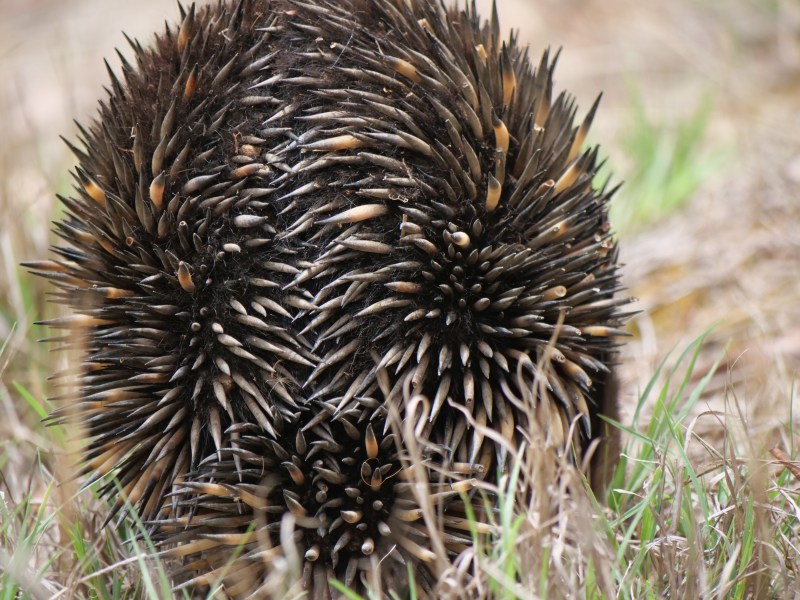
In my previous post, I mentioned that my love and I had gone out to the river for a sticky beak.  It soon became apparent that not everyone understood this strange Aussie/Kiwi colloquialism, with a number of readers requiring a translation.  In response, I thought I should provide a general explanation for those too polite to ask for a translation.  Which is completely fitting as the explanation links in so perfectly with today’s post (unintended) about one of our most weird and wonderful mammals, the short-beaked echidna — a real sticky beak. Read more