A Poem –

Frisk
feels me up, pats me down
we run together
hair streaming
when the wind goes supernova
hurling leaves like exploding stars
through the dove grey coloured sky

A Poem –
Frisk
feels me up, pats me down
we run together
hair streaming
when the wind goes supernova
hurling leaves like exploding stars
through the dove grey coloured sky

For the Lens-Artists Photo Challenge – Environments. This week’s challenge is hosted by Tina. Thank you, Tina.
***
Sometime it is easy to forget that I live in the burbs. But then I return to reality.
However, I am soon cheered up by a change of scenery in the garden. Probably too subtle for some chaps.

I know this is a photo challenge but we definitely need a song. Let’s have a listen to LaTasha Lee singing Think On. Go, girl.
Be kind, everyone.
Kind Regards.
Tracy
This week I am joining in the Lens-Artists Photo Challenge which is hosted by a bunch of bright sparks, including guest host, Siobhan from Bend Branches. The theme for this week’s challenge is Glowing Moments. If you are keen on photo challenges, check out Siobhan’s post here.
My True Love has been taking some lovely photos lately, hence I thought I would showcase a few of his interesting (to me) photos. Let’s start with one of his recent arty farty shots.
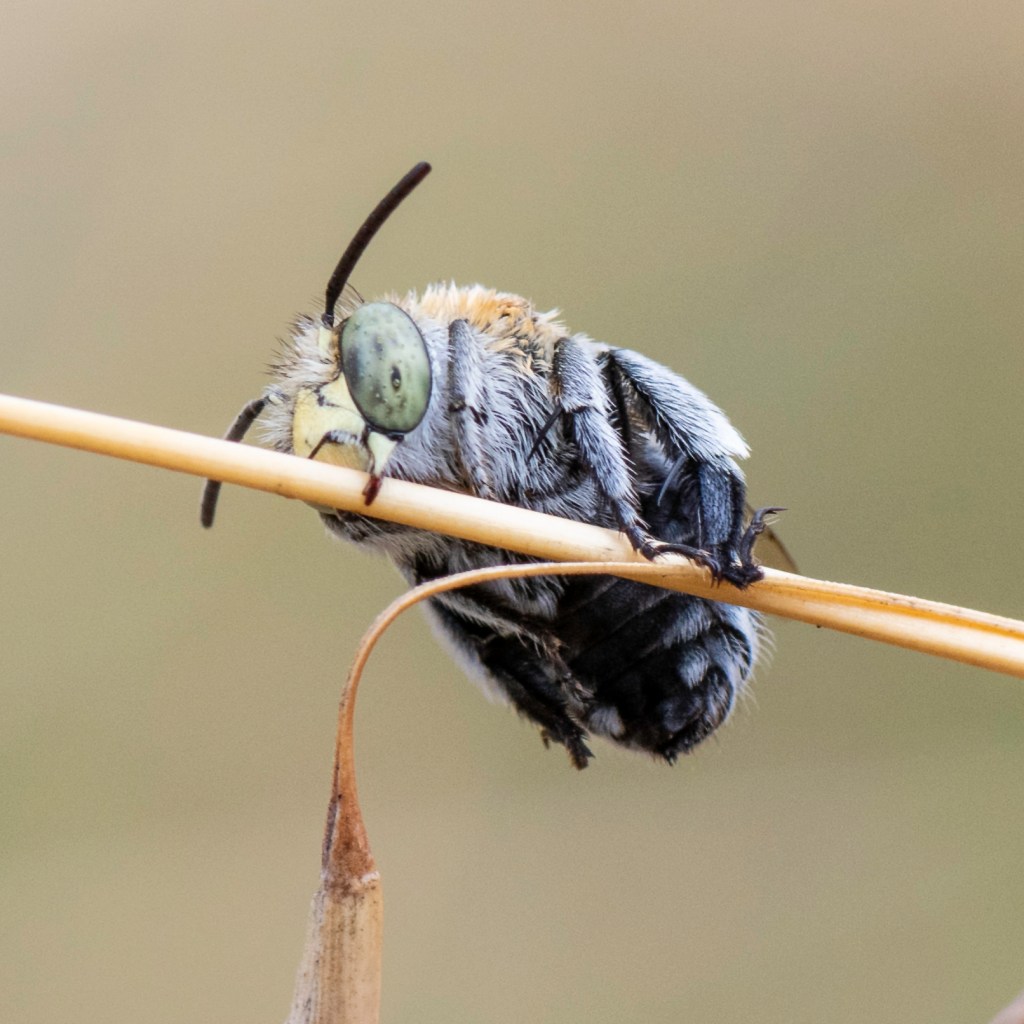
Since I complained about the Blue-Banded Bee nipping me between my toes, my TL has been stalking these little creatures to get a nice close-up of their mandibles. Check ’em out. In the overall scheme of life, they are very small mandibles, built for respite and cause no lasting harm.
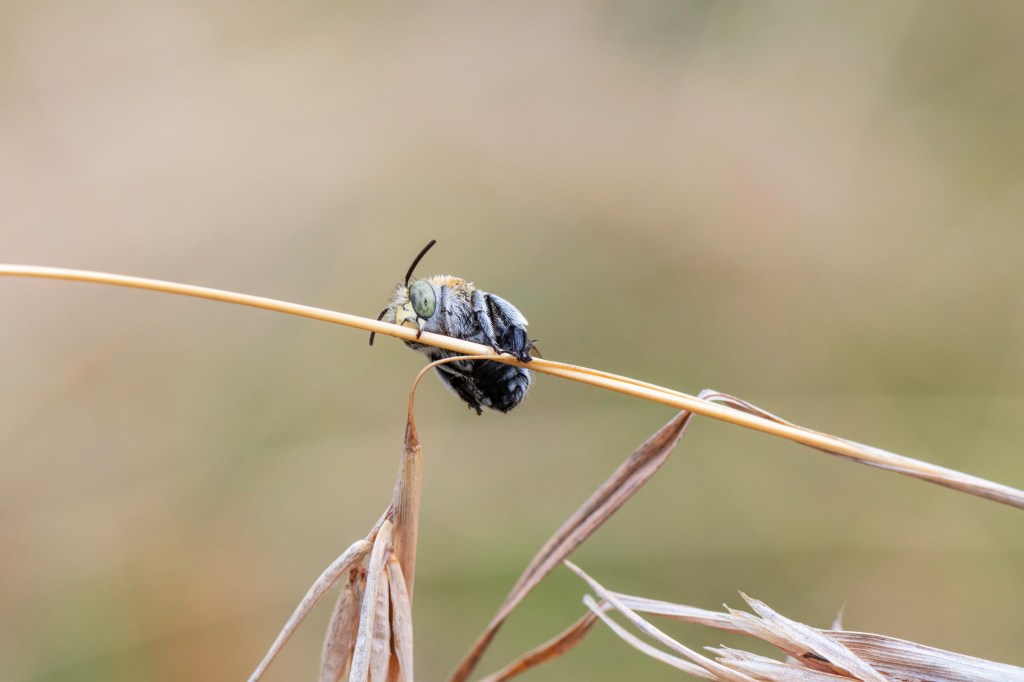
My TL has now gone a little insect crazy. Nothing wrong with that. He spotted a Tailed Emperor (Charaxes sempronius) in our garden. We’ve never seen one before so it was a pretty exciting moment. The Tailed Emperors are not rare but neither are they common. We learnt that they feed on fermenting fruit. Yum, yum.

My TL also set up a night trail camera in the backyard. The fig tree has been attracting a lot of critters, including Grey-Headed Flying Foxes. Can you see the flying fox’s eyes glowing in the dark?
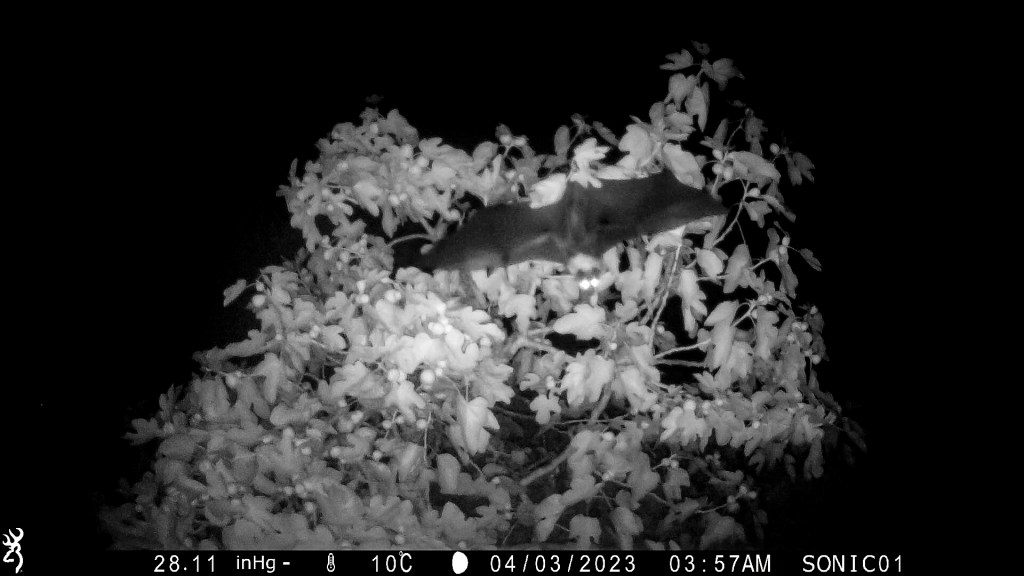
I’ll finish off with one of my favourite, bittersweet, photos that he took in the summer of 2019.
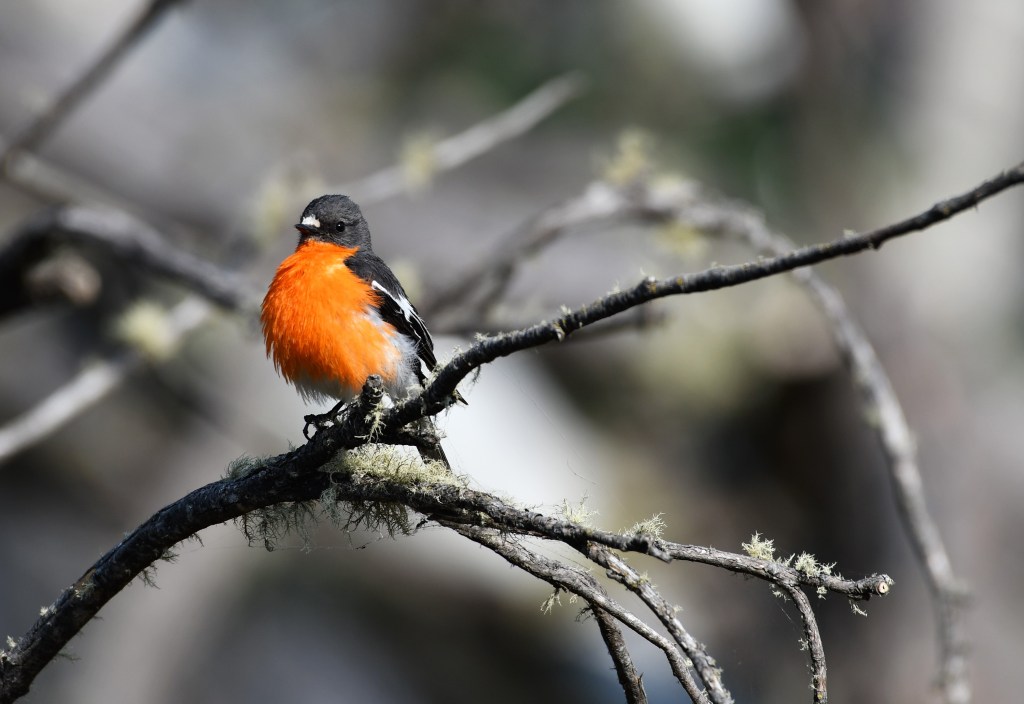
We live in interesting times with interesting people. Perhaps I wouldn’t have it any other way.
Take care, everyone.
Kind Regards.
Tracy.

A poem and an Australian native plant photo.
The Bluffer
Is a nondescript plant unworthy of the lingering gaze?
Must the ugly duckling metamorphise
into that beautiful swan? Does a light shine
with none to see it, invisible when eyes are closed?
The winter woodland keeps its secrets. Echo
chambers climb from forest floor until – tendril –
summer’s fertile heat provides the desiccant,
the bluffer and ephemera of nature’s final call.

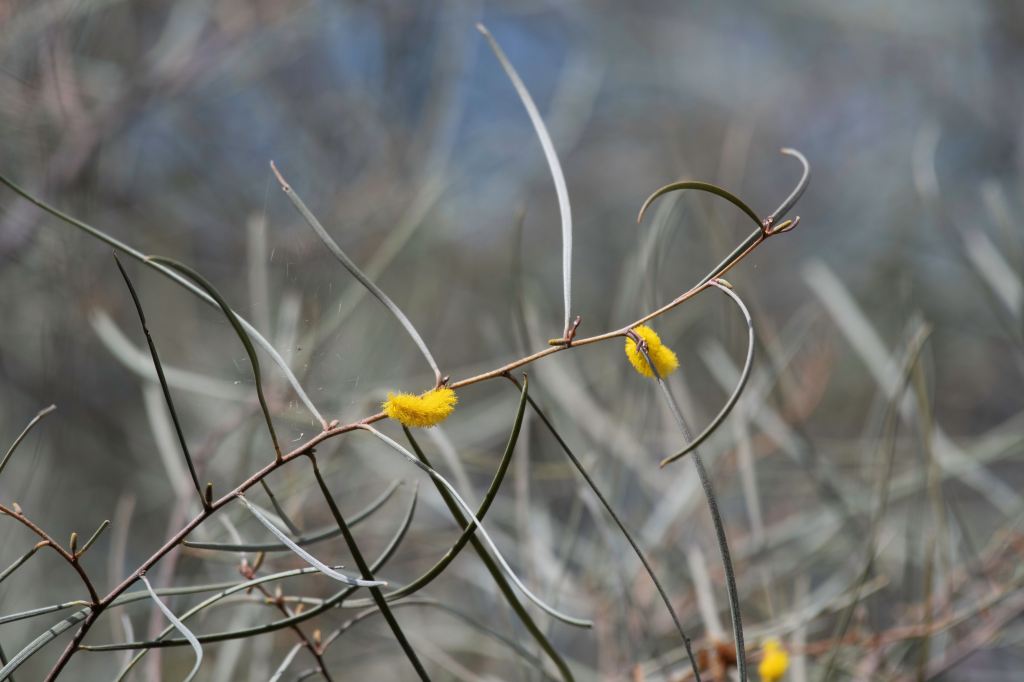
I read a recent disparaging comment about the lovely Australian native climber, Clematis microphylla. Perhaps you are yet to discover it or if you have, perhaps you have been underwhelmed? Be patient, dear Readers, and look again.
Kind Regards.
Tracy.

Philosophy by photos.
Sometimes you have to start small, very small.

And sometimes things can get a little hairy.

Sometimes it is best to sway with the breeze.

Every year is different, not yours to decide.
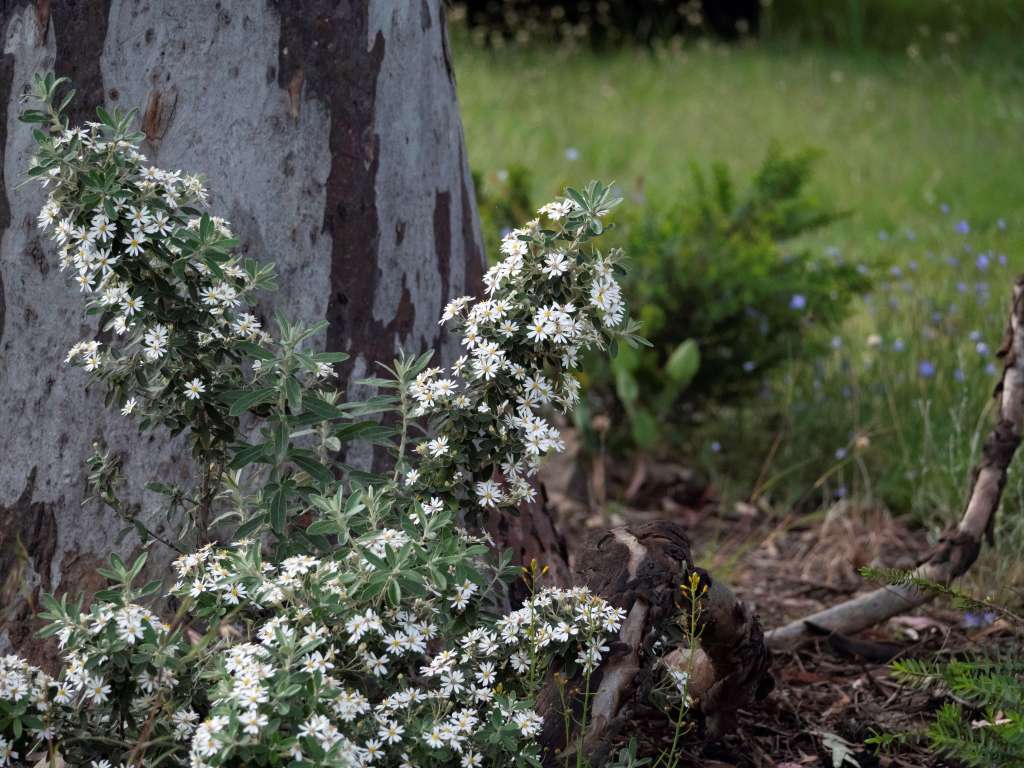
Stop for sustenance,
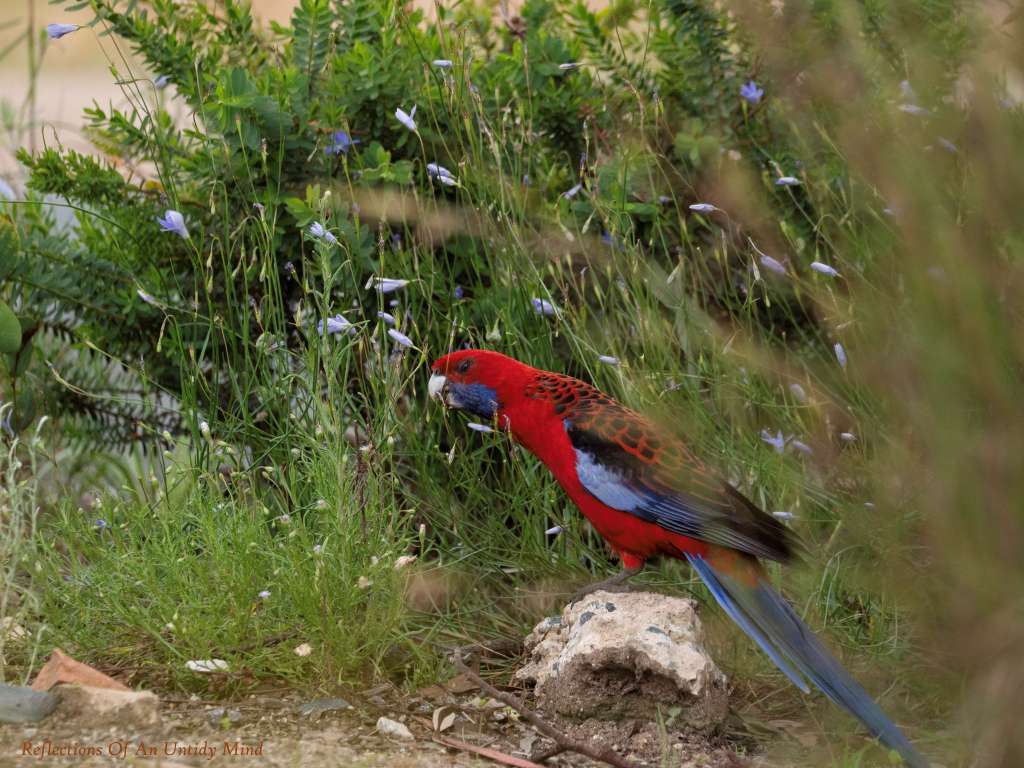
Speak, but also listen.

Your time will come to shine.

This is my last chance to participate in the Lens-Artists Photo Challenge for 2022. This week’s theme is Last Chance and the brief is to publish for the first time some favourite photos taken during 2022. All but one of the photos was taken in my garden or my local park. Many thanks to the Lens-Artists hosts for their hard work and thoughfulness, and also to you, dear Readers, for joining me here.
Happy holiday, everyone, and see you next year.
Kind Regards.
Tracy.

Work on the verge, or the nature strip as some like to call it, began about a year ago. It began as a folly because our family normally call this area the dead zone. Growing a native garden under a gum tree can be difficult but hopefully not impossible with the right plant choices. We live in a frost hollow so that adds further challenges. It is winter now so not much is happening. Still, I am like an expectant mum, bursting with excitement and ready to bring home the baby. But as you know, these things cannot be rushed.

The design concept evolved over the course of the year from growing whatever would grow in the dead zone under our brittle gum, to instead targetting plants that were native to our local area (Canberra, Australia); there being quite a lot of overlap in these groups. Unfortunately my enthusiasm was not matched by my knowledge and so occasionally I planted some non-local native species in my haste to get plants in the ground before dry weather was upon us again. The definition of our local region is also very broad covering both sub-alpine temperate forests through to natural temperate grasslands on the plains.
The garden is finally starting to take shape, albeit mostly in my head. To narrow down my plant choices, I began to incorporate a number of species found growing in my nearby local park or plants that perhaps ought to be growing in the park if it had been left in its original natural state. I suspect I have over-planted but I anticipate some losses. By popular demand (a couple of people), below is a list of the plants I’ve jammed into this small space. This list and accompanying photos will be updated from time to time.
Grasses
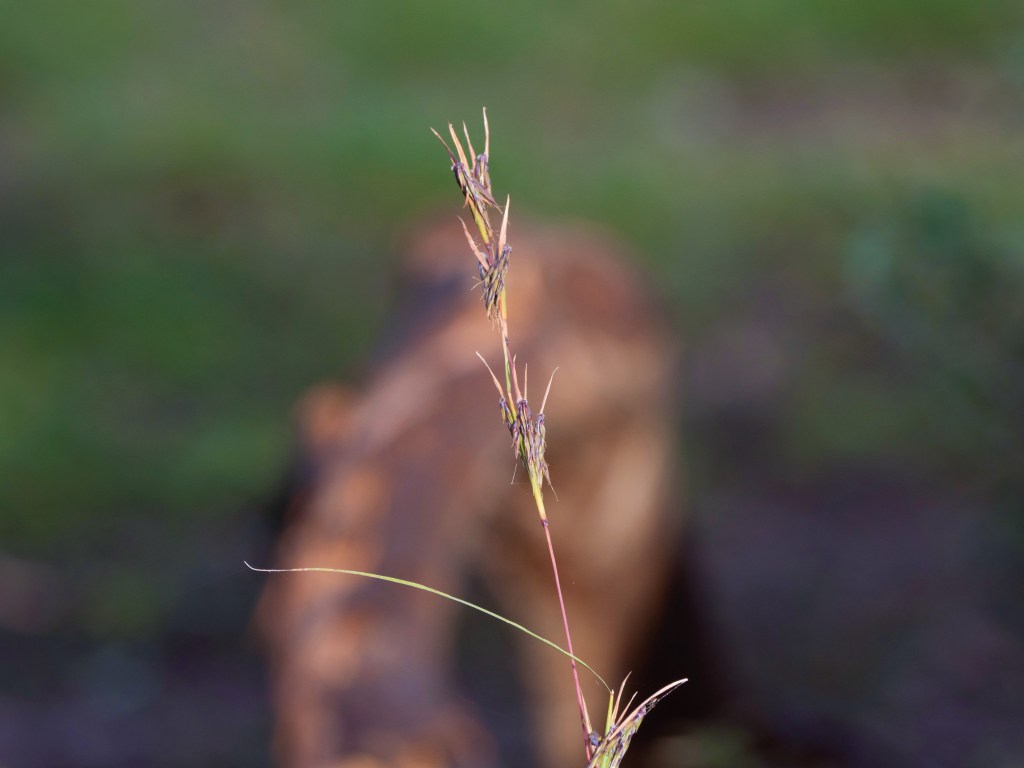

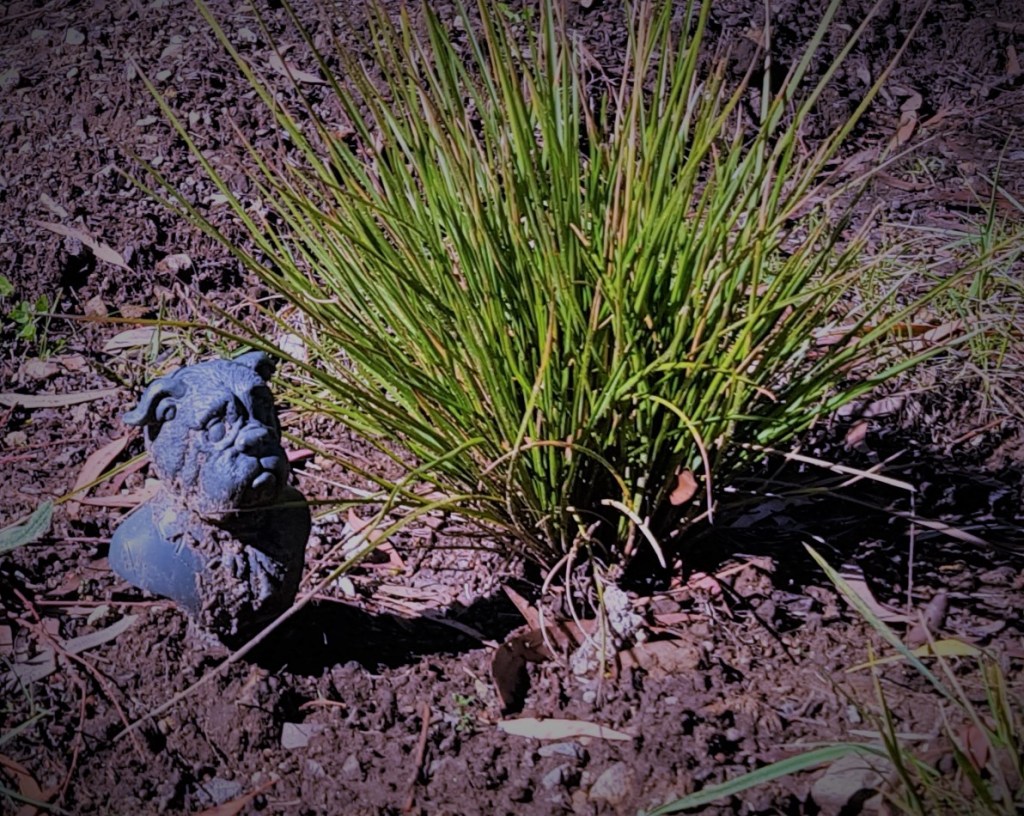
Climbers/Groundcovers

Shrubs


Herbs (Forbs)


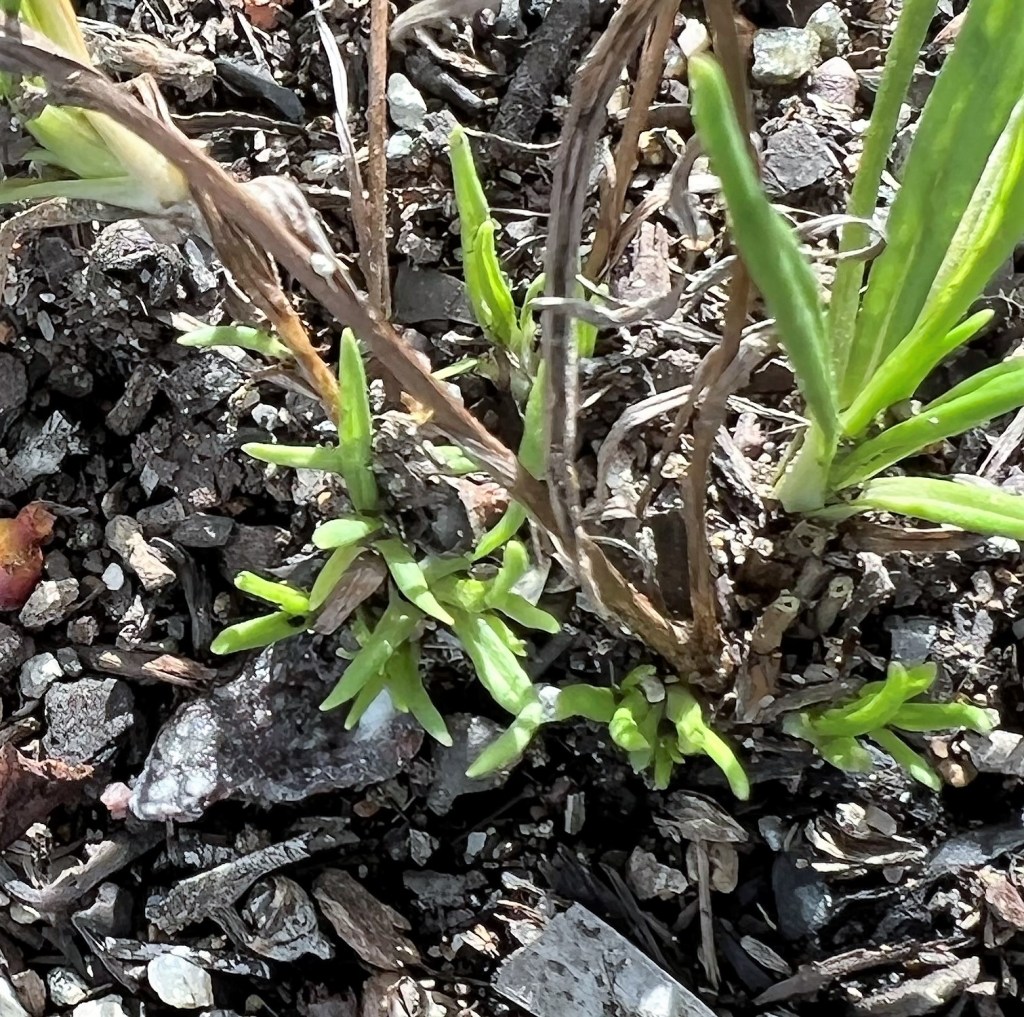
It is difficult to get the big picture of the garden from the small seedlings in the garden. I will post more photos in spring.
Happy gardening, everyone.
Kind Regards.
Tracy.
*Photos from plants growing elsewhere in the garden.
Last Updated 30/10/2022

During July, the dedicated, hard-working hosts of the incredibly popular Lens-Artists Photo Challenge take a well earned break from their hosting duties and co-opt five guest hosts to take on this important responsibility. Wrapping up the final week of the month, is guest host, Sarah, from Travel With Me. Sarah has chosen the theme ‘Picking Favourites’. She has asked that respondents pick three of their best/favourite photos, one each from three different photographic genres. Sarah has also requested that respondents outline why they chose a particular photo. Tough assignment but I’ll give it a go. Here is my response.
Read more
Welcome to my regular Friday song/tune day, ladies and gentlemen, where I pick a piece of music that reflects my mood or the times, to share with you.
Yesterday I was as mad as hell when workers down the road parked on my new garden. So I spent a good five minutes looking for some lipstick to write on their windscreen. But I decided against that and instead stormed down to where they were working and asked them to move their, ahem, vehicle off my, um, garden, or words to that effect. No really, I was very polite. Unfortunately, there was a fatality.
Read more
Ladies and gentlemen, we have a new night vision camera. We occasionally get bats eating our figs in the backyard. We will be ready to capture them on camera next summer should they decide to pay us a visit. Of course, they are not the only animals that help themselves to our produce at the night market. Here is a taste of our backyard fauna.
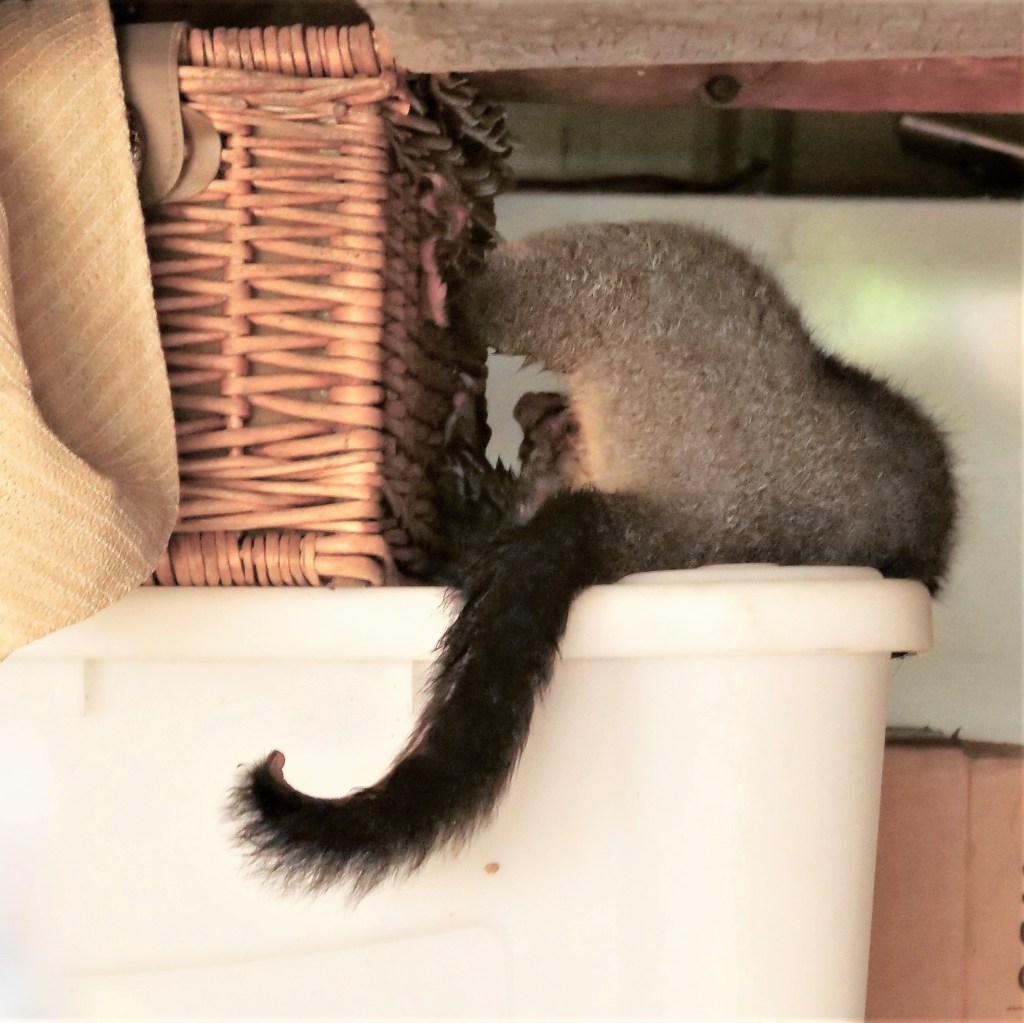
The brushtail possums are frequent, noisy visitors. Normally, there is a furore after sunset when the possum exits our garage/shed. The dogs go crazy. However, I didn’t really expect the possum to stop by at 2am in the morning.
This photo was taken a couple of years ago. My neighbour has a much better shed but the possums prefer to slum it with us.
The rodents have been a huge problem over the last few years. We have caught quite a few in a snap trap that my True Love designed. The trap is placed in what is effectively a tunnel. This is the culling method that is preferred by the (Australian) Royal Society for the Prevention of Cruelty to Animals (see here). Unfortunately, the rats are very canny and after a successful night trapping, the trap must remain unset for several weeks until the rodents get hungry enough to try their luck again.
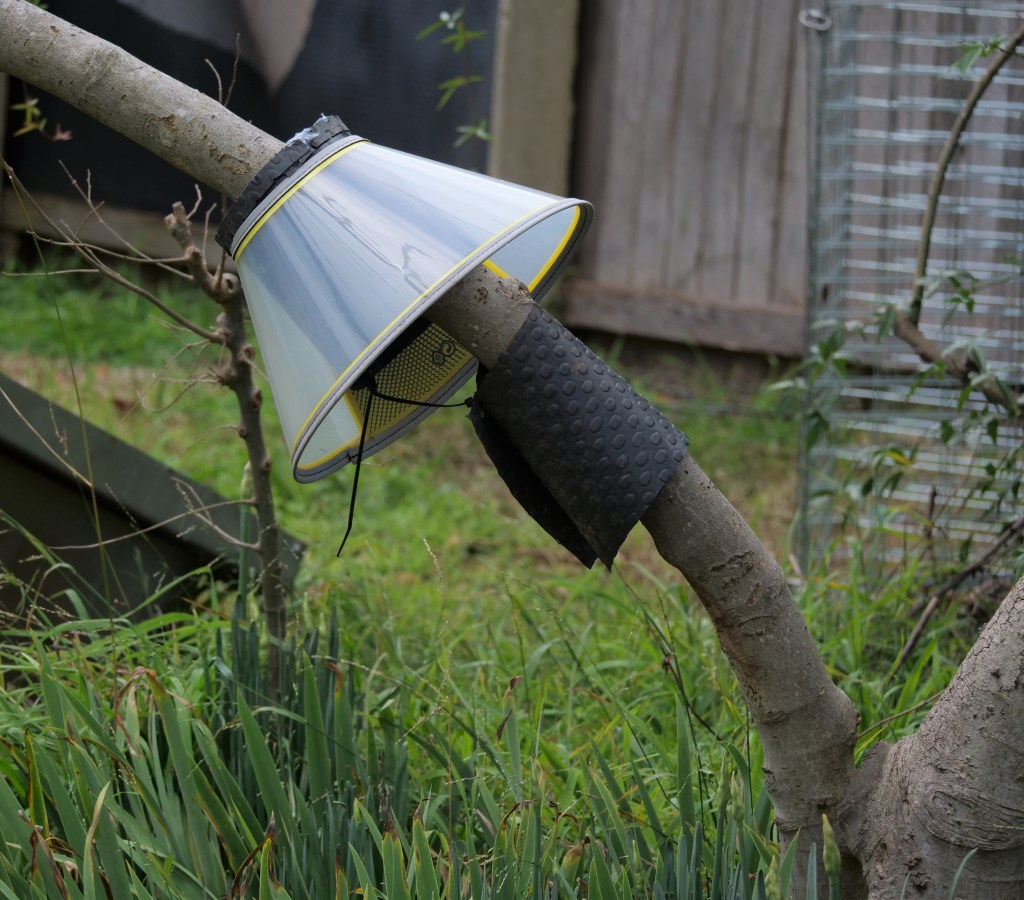
Our fig tree fruited prolifically this year, but it seemed none but the rodents would enjoy the fruit. We tried collaring the tree with an Elizabethan dog collar to prevent the rodents ascent. It worked.
Here is a short clip of one of the little bastards. As yet, we have not worked out a way to keep them from our tomatoes.
Anyway, I hope you enjoyed this glimpse of the backyard antics. Perhaps we will set up the camera in our banksia rose hedge. It appeared to shimmy with movement this afternoon.
Thanks for joining me.
Kind Regards.
Tracy.

May in Canberra (Australia) – Moments in May, momentous May, May in triptychs. But first, a poem, a kind of triptych of course.
May Change
Filaments of May morph and coalesce
‘twixt pearlescent rain and golden light,
while rising power bills outstrip inflation.
Leaves and pamphlets flutter in the breeze.
People power in technicolour. Rejoice!
Winter is upon us and Australia is infectious.
Sadly, little bird flies the coop. Man in repose,
rises. Listen, do you hear that?
Tick-tick, tick-tick, as we turn the corner.
What does it all mean, I hear you ask? Autumn finished slowly. It rained on and off, but the sun broke through often enough to dally with our affections. Jack Frost flirted, adding impetus to deciduous trees still reluctant to toss aside their colourful costumes. The wildlife has begun jockeying for power and has cleared out the pantry in preparation for next Spring’s bounty. There was, nevertheless, time for bathing. Speaking of bathing, a national election was held. The government changed amid pledges of a new, kinder, more collaborative polity in the future. My True Love survived his surgery. Our canary, Pan of the Wild Music, died. I got hearing aids today. I wish I could have heard Pan sing one last time. Apparently, I still don’t listen to my husband.
Triptych – black and white theme for the magpie juveniles who still haven’t left home.
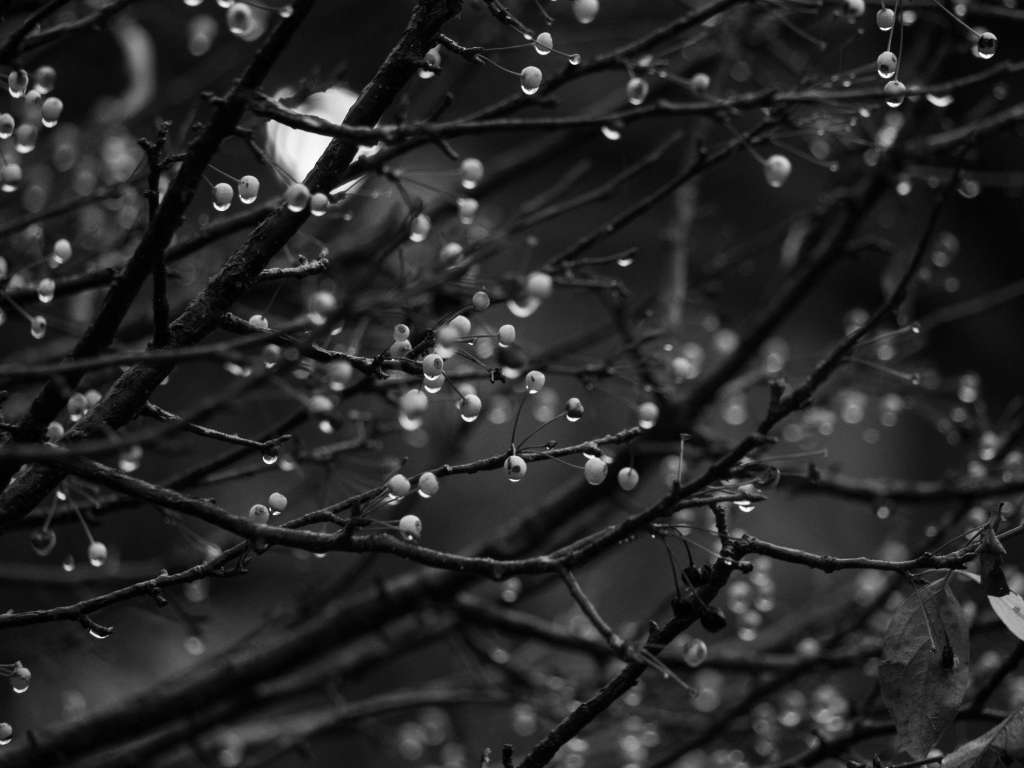


Triptych – Crimson theme for crimson rosellas bathing.
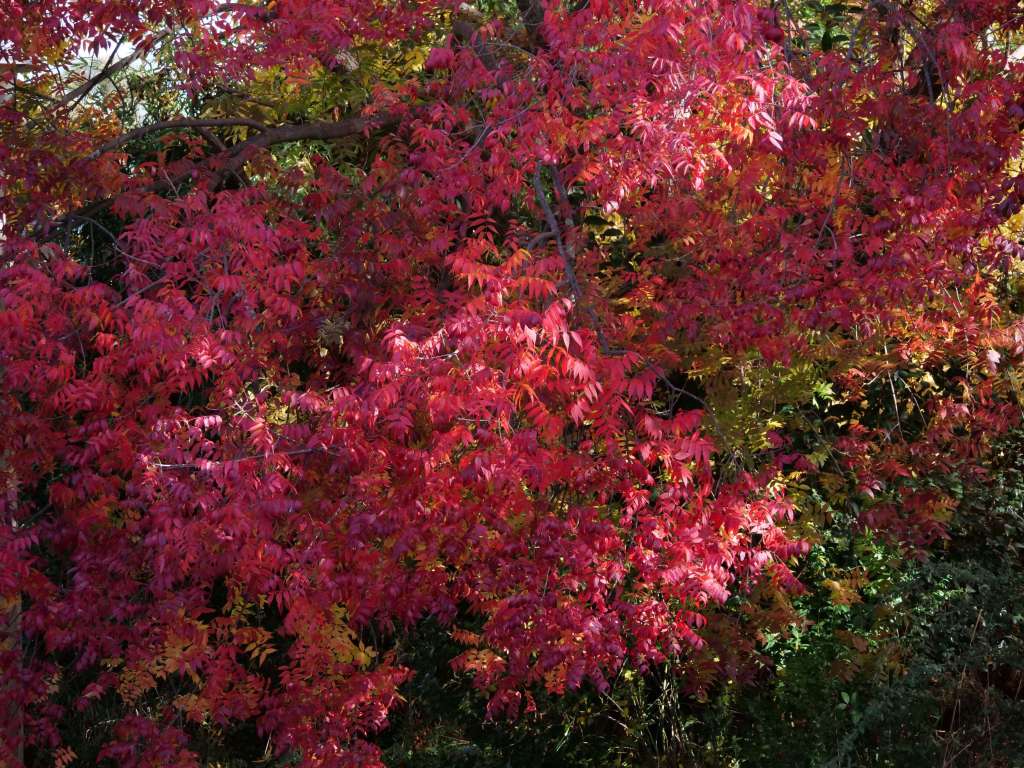


Triptych – multicoloured mixed feelings.


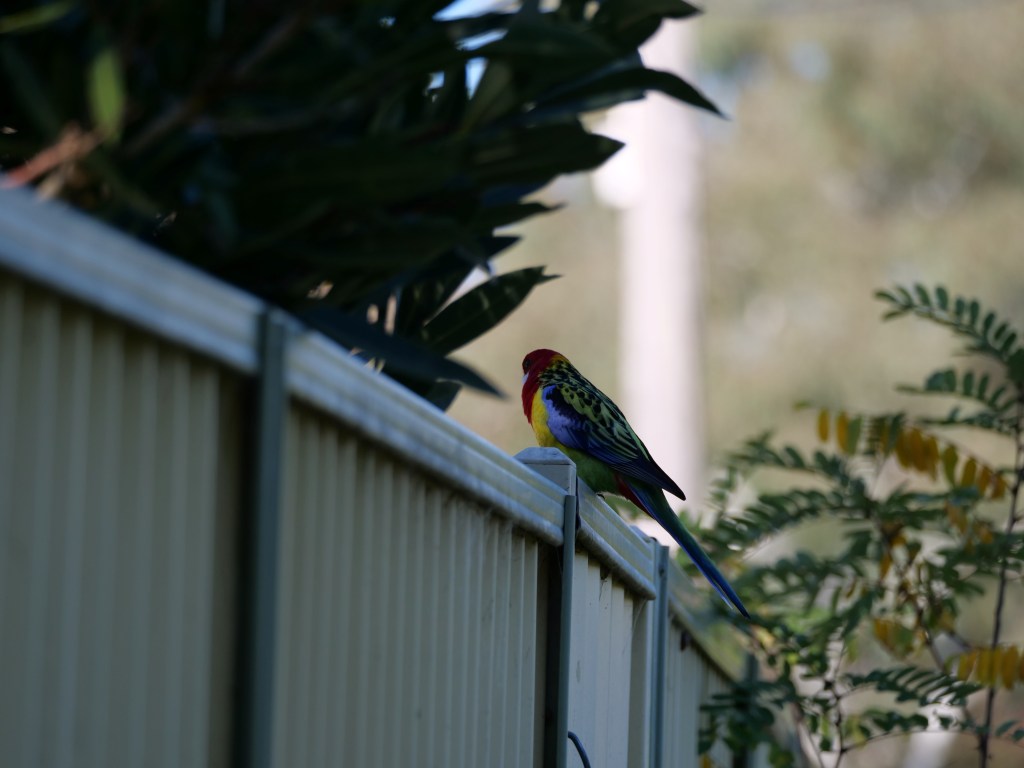
Winter is now upon us. As I returned from my hearing aid fitting, the Brindabella range was shrouded in snow clouds. Rain hammered loudly on the windscreen. We’ve definitely turned a corner. It sounds like tick-tick, tick-tick.
This is my response to The Changing Seasons photo challenge, jointly hosted by Ju-Lyn (Touring My Backyard) and Brian (Bushboys World). This post is also doubling as my contribution to the triptych themed Lens-Artists Photo Challenge.
Goodnight, everyone. Be well, be kind and try to listen.
Kind Regards.
Tracy.
About the Photos:
The last photo in the first two triptychs were taken by my True Love. I snapped the rest.
 Reflections of An Untidy Mind