24 Stories – I

I.

In the last week I have spent 15 hours digging out grass. When I am not digging, I sleep. Thankfully the results are not dull even if I am.

Take care, everyone, and be generous with your kindness.

Kind Regards.

Tracy.

March 2024

Canberra, Australia – Turns out we have our fair share of tools.

I downed gardening tools the other day to go for a short walk with my love. I’ve spent a lot of time looking down lately at the garden so it was a nice change to look up.

March got a little merry when I met up with Mary. Hairy Mary, aka Anthela varia, mistook me for a tree. It crawled up the inside of my trouser leg. It was a good photo opportunity. No nudity involved. Check it out.

Many of my readers know that I have been focussing on some landcare activities at my local park over the last year. I have met some wonderful people doing that, but every now and then, such as when people continue to illegally dump their garden and other household waste in the park, or when they pull out our plants, or they ignore our greetings, it is dispiriting. I am actually shocked by the mean and petty behaviour we have encountered. I would be really embarrassed if I have behaved like that. Anyway, if I have few words to say here on this space, that is the reason why.

So my sanity saving strategy is just to plug away, pick up their rubbish, plant our government-approved plants and complete the government-approved weeding. And hope like hell that the culprits’ dicks rot off. One can only hope.

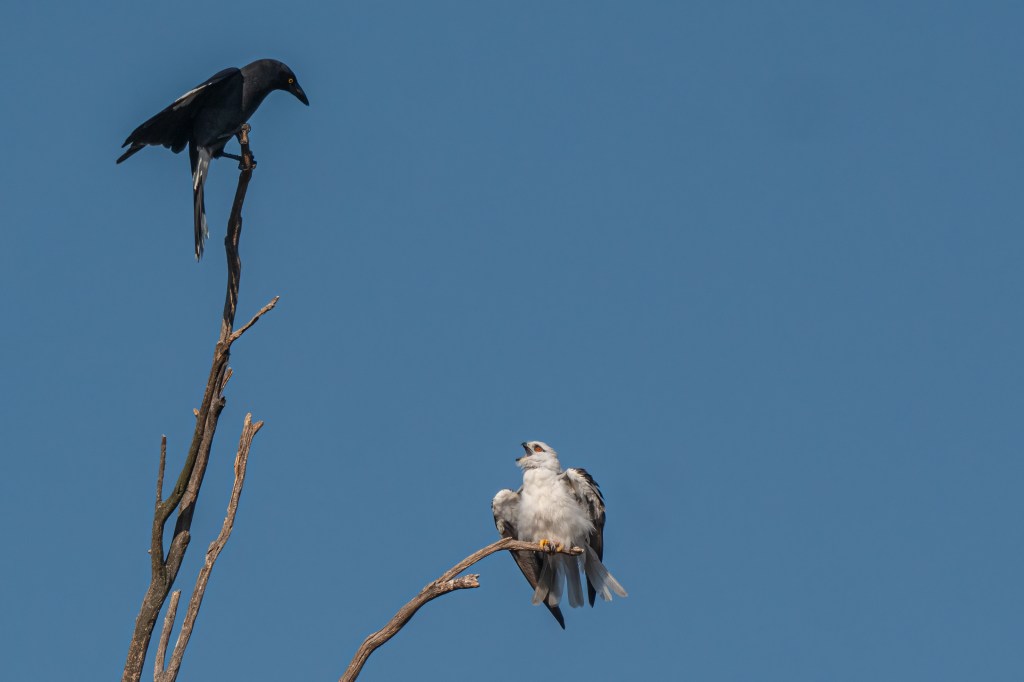
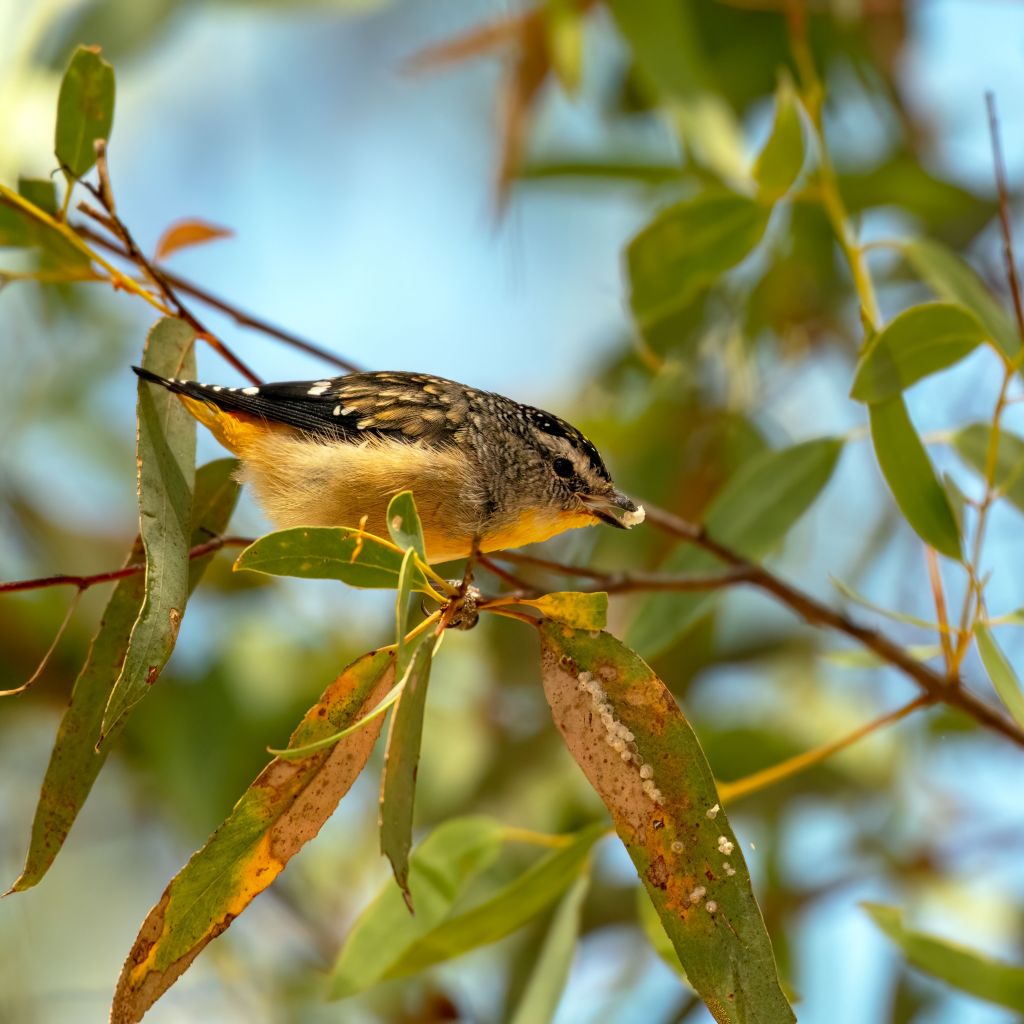
Now, where was I? The small woodland birds have returned from their summer homes in the hills. Their migration through our woodland is proving unexpectedly challenging due to the increased presence of larger predators attracted by the increase in insect numbers. [L-R Grey Fantail chick, Spotted Pardalote]

I have learnt that there is a subtlety to an Australian autumn. How have I not appreciated this quite so much before?

Boisduval’s Autumn Moth waited for the cold front to arrive before she emerged.

Take care, everyone.

Kind Regards.
Tracy.

Spreading The Word On African Love Grass

Who knew that watching the grass grow and grow was so interesting?

I’ve written a thousand blog posts in my mind over the last couple of months. I’m usually down the park at the time undertaking landcare activities (aka weeding). One of our team members described me as indefatigable. Sure, I can spend five or six hours weeding in oppressive heat but I don’t feel indefatigable. I feel exhausted. Many a time I have just wanted to lie down under a tree and have a sleep. The ants would like that. I think anxious would be a better term to describe me rather than indefatigable. 

The hot, humid conditions and the shutdown over the Christmas break has led to an even greater explosion of African Love Grass (Eragrostis curvula) across Canberra (Australia). African Love Grass consumes all other grasses in its path and is highly flammable. So yeah, I am focussed on weeding as much of it out as quickly as I can so that the native grasses can provide it with some competition, improve biodiversity and mitigate fire risk. I’m not doing this alone by any means. Do you think I want to kill myself? Fortunately, our urban park has also been designated a conservation zone because it contains a patch of critically endangered box gum grassy woodland and hence a native grass-friendly mowing program has recently been established for it. Without that change to the mowing regime, there would be no hope of containing that Love Grass.

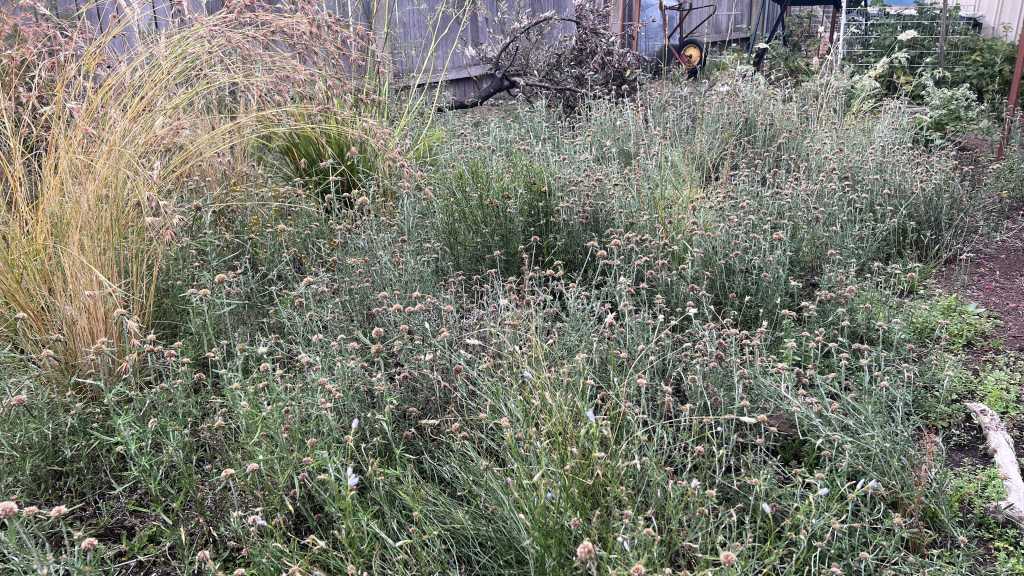
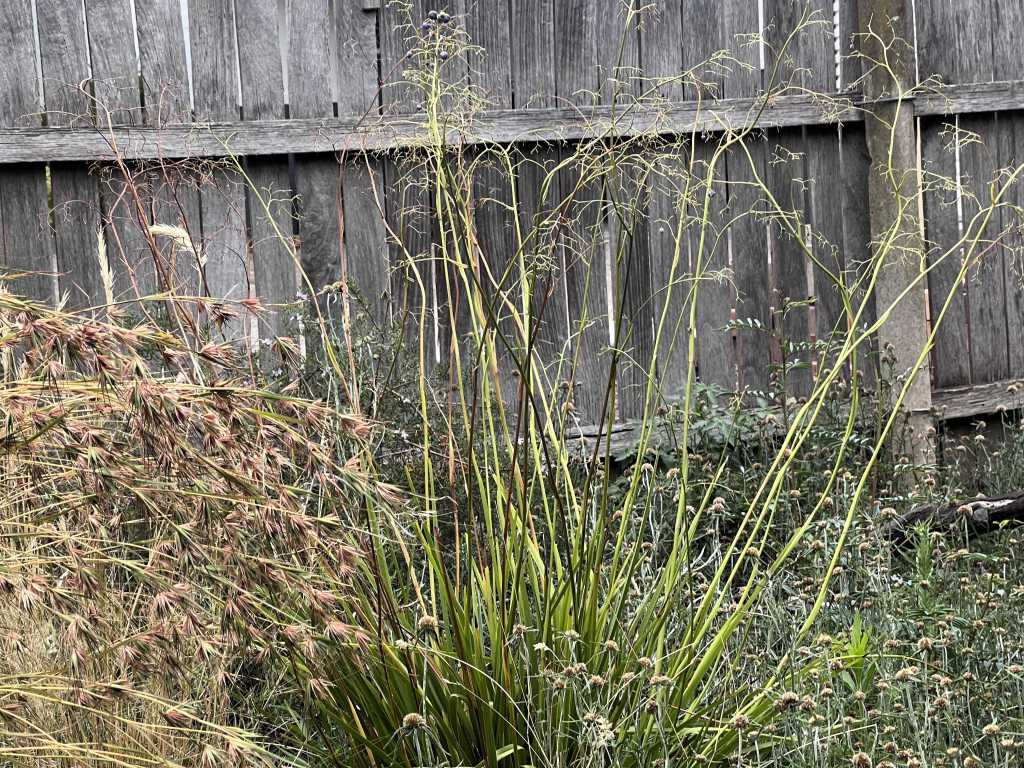
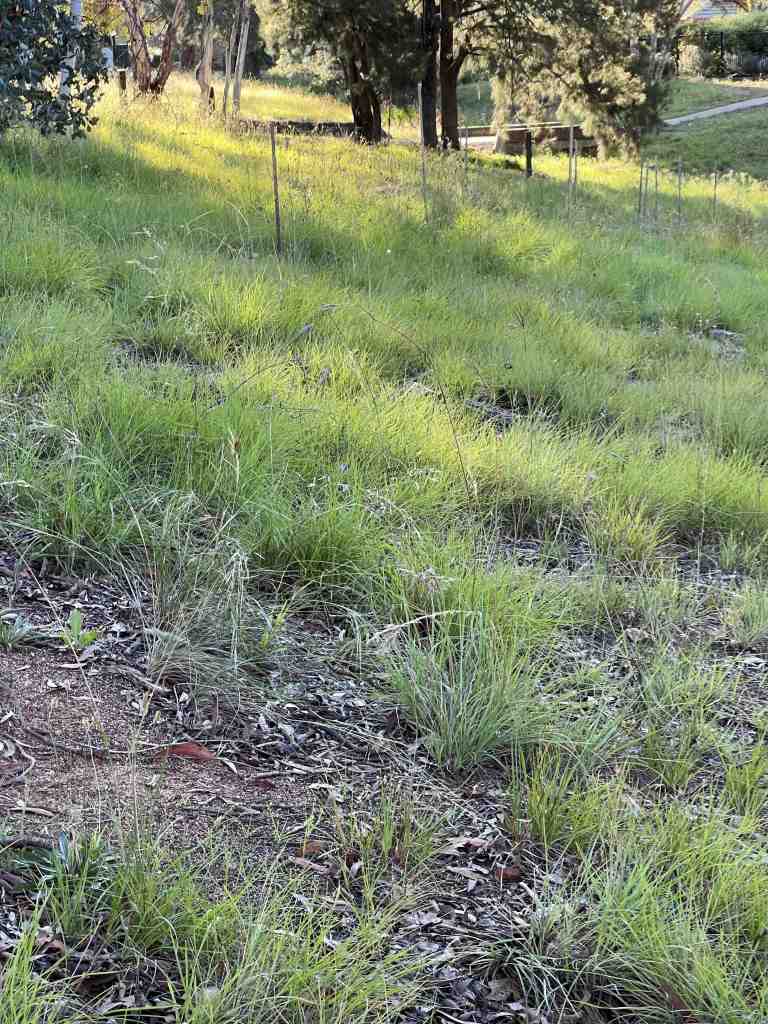
Australian native grasses are touted as a way of mitigating the fire risk of African Love Grass. A patch of Themeda triandra (below) holds the moisture in the ground. It can compete against Africa Love Grass in sunny aspects given a modified mowing program and some TLC. This patch took much weeding and new mowing arrangements to bring it back to match fitness. Themeda triandra is native to Australia, Asia and the Pacific.

African Love Grass is not a fan of shade. In the shade, our lovely weeping grass (Microlaena stipoides) can put a break on it and other tall, weedy exotic grasses.

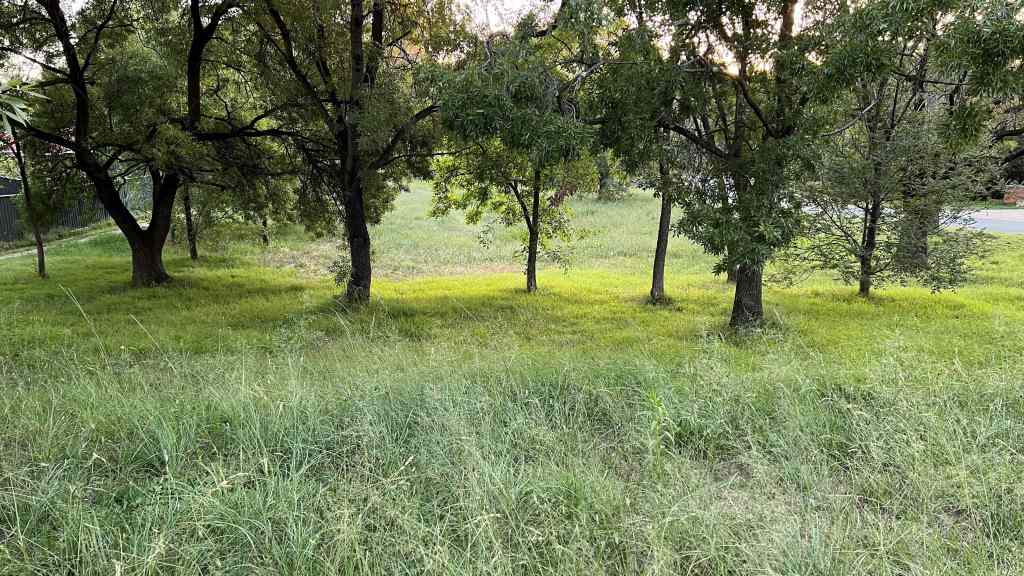
Microlaena growing under a stand of deciduous trees is flanked by African Love Grass.

Microlaena under a eucalypt in one of Canberra’s nature reserves. 
Not mown, except by kangaroos, completely surrounded by exotic weeds.

Unfortunately, the general population doesn’t appreciate the distinction between native grass and weedy grasses like African Love Grass (ALG), Chilean needle grass and serrated tussock. Except for the Rural Fire Service, who would know this stuff? I certainly didn’t know until I started my landcare activities. Moreover, what government is going to admit to the fire hazard in the heart of our city?  There is no asset protection when ALG is allowed to grow unchecked across Canberra. That’s my personal view. Our local government must indeed be worried. When hot dry winds are predicted, one can hear the constant buzz of municipal lawn mowers racing to slash the grass across the city. But mowing in those conditions can also be a hazard. Late last year, one of our landcare members saw a mowing crew trying to stamp out a grass fire started by their mower on a hot and windy day. Scary. Thankfully the fire was on a median strip.

It must a real conundrum for the government on how best to educate people about the fire mitigating properties of native grasses without encouraging lunatic fire bugs to take advantage of our city’s vulnerability. It would be a brave government that would try that. Instead, governments and oppositions exhort the benefits of increased mowing even though this is to the detriment of any native grasses that might be just hanging in there. Nuance and politics don’t go together. I feel their pain. It is really not practical or economic to massively scale up the sort of weed reduction and rehabilitation efforts that many of Canberra’s landcare teams are undertaking. Nevertheless, call it biodiversity protection, call it landcare, call it what you will, educating people about our local grassland assets and their care can benefit us all by at least starting a conversation on what can be achieved with community support. At the very least, people may be more inclined to mow their ALG infested yards.

Native grasses re-establishing under eucalypts. We have our eye on the African Love Grass beyond the conservation bollard. It will take time to get there but get there, we will.

Thanks for reading this far. I have to rush out now. Bit more ALG to pull out before it gets too warm. Plus, we have identified a second remnant woodland in our suburb and it too needs care. I’ll leave you with this presentation from the Bredbo Rural Fire Service. They know their grass and they know fires. Best we do too.

Kind Regards.
Tracy.

Hear My Voice – 1

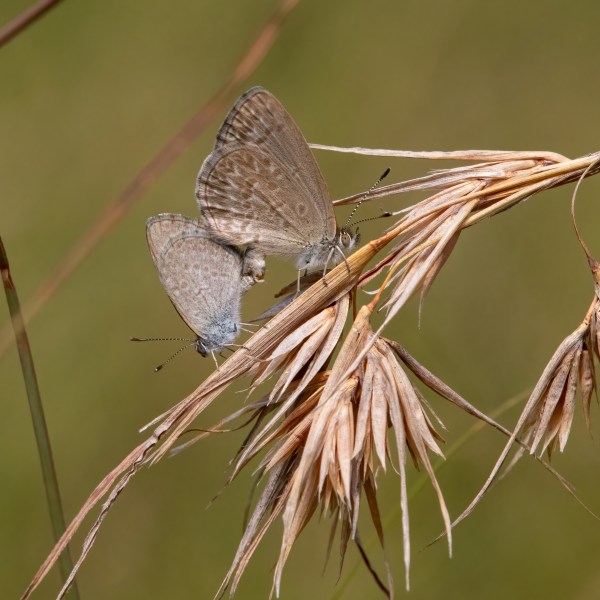
A part of our small, grassy-woodland urban park is being allowed to regenerate. For the humans participating in the project, this mostly involves assiduous weeding and a small amount of replanting, but most of the hard work is being done by the land itself. The birds and other wild creatures (ie. two skinks and some butterflies) are embracing the changes.

I like my spear grasses straight off the plant.
From paddock to plate –
Fast food –
So fresh, so nutritious, so grand.

This is my place. This is my home.
From this watchtower, I behold you on your knees,
creating a space for us to live together and apart.
My retreat from mankind’s constant intrusions.

Peace and quiet, ladies and gentlemen, peace and quiet.

Kind Regards.
Tracy.